Top Nutritional Ingredients for Homemade Cat Food and Treats

In this article, we'll explore the key ingredients for home-cooked cat meals, offering insights into how you can create nourishing dishes that your cat will love. This guide will help you understand the nutritional science behind each ingredient ensuring that your efforts in the kitchen translate into tangible health benefits for your beloved pet.
Essential Nutritional Ingredients
Protein: The Foundation of Homemade
Cat food and Treats
Cats thrive on protein, which is crucial for muscle development, energy, and overall health. When making cat food at home, focus on high-quality animal proteins such as chicken, turkey, beef, or fish. These proteins should make up the majority of your cat's diet to ensure they receive the necessary amino acids. High-protein diets mimic the natural prey-based diet of cats, promoting lean muscle mass.
Healthy Fats for Energy and Shiny Fur
Healthy fats play a vital role in providing energy and supporting a healthy coat. Omega-3 and omega-6 fatty acids are particularly important for cats. Sources of healthy fats include fish oil, chicken fat, and flaxseed oil. Omega fatty acids are known for their anti-inflammatory properties, benefiting joint health and reducing the risk of chronic diseases. Incorporating these fats ensures your cat receives the right balance of essential fatty acids, crucial for brain function and maintaining a glossy coat. Cats with skin conditions or dull fur often show improvement when their diet is supplemented with these healthy fats. Additionally, fats are calorie-dense, providing a concentrated energy source for active or growing cats.
Essential Vitamins and Minerals
Taurine is an essential amino acid that cats cannot produce on their own, so it's important to include it in their diet. Taurine is naturally found in animal-based proteins. A deficiency in taurine can lead to health issues, including heart disease and vision problems.
Other important nutrients include calcium and phosphorus, which support bone health. These can be provided through ground eggshells or bone meal. Additionally, ensure your recipe includes essential vitamins like A, D, and B-complex vitamins, which can be sourced from liver and other organ meats. These vitamins play roles in vision, immune function, and energy metabolism, making them indispensable to your cat's diet.
Fiber for Digestive Health
While cats don't need large amounts of fiber, a small inclusion can aid in digestion and benefit their overall health. You can add fiber to your cat's meals with small amounts of pureed pumpkin or carrots. Fiber helps regulate bowel movements and can assist in managing weight by promoting a sense of fullness. Including fiber can be particularly beneficial for indoor cats or those prone to constipation. However, it's crucial to monitor your cat's reaction to dietary changes and consult with a veterinarian if you notice any adverse effects. Fiber's role in managing hairballs by moving ingested fur through the digestive tract is another added benefit.
Try Homemade Cat Food Recipes
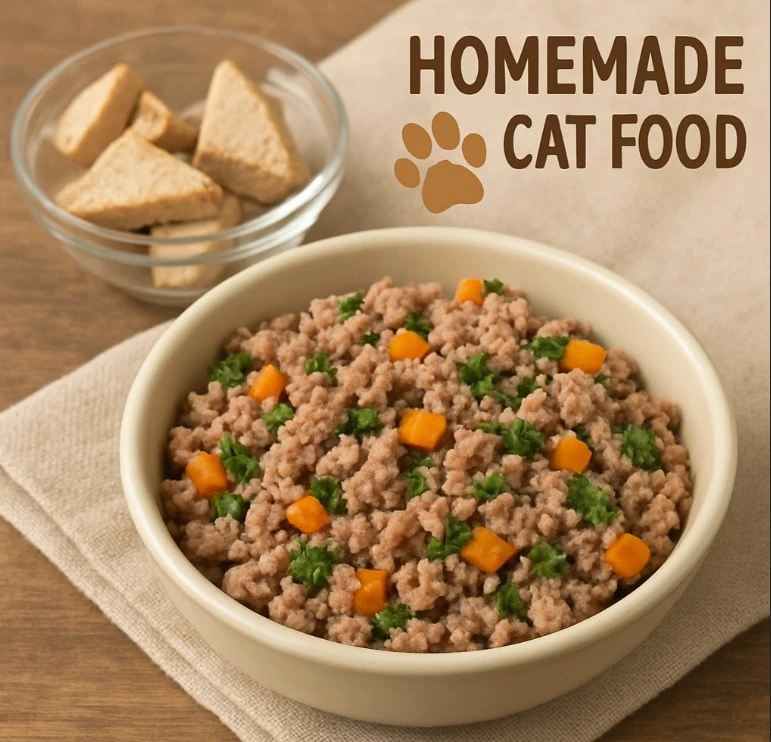
Simple Chicken and Rice Recipe
Here's a straightforward recipe to get you started:
Ingredients:
- 1 cup of cooked chicken breast (shredded)
- 1/4 cup of cooked brown rice
- 1 tablespoon of chicken fat or fish oil
- A pinch of finely ground eggshell (for calcium)
- Optional: 1 teaspoon of pureed pumpkin
Instructions:
- Combine the shredded chicken and cooked rice in a bowl.
- Mix in the chicken fat or fish oil for added flavor and nutrition.
- Sprinkle the finely ground eggshell over the mixture for calcium.
- If using, add the pureed pumpkin and mix thoroughly.
- Serve fresh, storing any leftovers in the refrigerator for up to three days.
This recipe is a balanced meal that provides protein, carbohydrates, and essential fats. The inclusion of brown rice offers a source of energy and fiber, while the chicken fat adds the necessary fatty acids. The simplicity of the ingredients makes it easy to prepare and ensures that your cat receives a wholesome meal without unnecessary additives.
Fish Delight for Omega-3 Boost
Ingredients:
- 1 cup of cooked salmon (flaked)
- 1/4 cup of cooked quinoa
- 1 tablespoon of flaxseed oil
- 1 teaspoon of taurine supplement (consult with a vet for proper dosage)
Instructions:
- In a bowl, mix the flaked salmon with cooked quinoa.
- Stir in the flaxseed oil.
- Add the taurine supplement and mix well.
- Serve immediately, storing leftovers in the fridge.
This recipe is particularly beneficial for cats needing an omega-3 boost, supporting joint health and a shiny coat. Quinoa provides a gluten-free carbohydrate source, while flaxseed oil adds valuable fatty acids. Consulting a vet for the correct taurine dosage ensures that your cat's nutritional needs are precisely met.
Tips for Transitioning to Homemade Meals
Transitioning your cat to homemade meals should be done gradually to allow their digestive system to adjust. Start by mixing a small amount of homemade food with their current diet, gradually increasing the proportion over a week or two. This slow transition helps prevent digestive upset and allows your cat to acclimate to new flavors and textures.
Always consult with your veterinarian before making significant changes to your cat's diet. They can provide guidance on nutritional balance and ensure that your homemade recipes meet all of your cat's dietary needs. Regular check-ups will also help monitor your cat's health, ensuring that the dietary changes are having a positive impact.
Conclusion: A Meal of Nourishment
With the right ingredients and a bit of creativity, you can craft dishes that cater to your cat’s taste preferences and nutritional requirements. This endeavor not only benefits your cat but also enriches your understanding of feline nutrition. As you explore the world of homemade cat food, you're not only feeding your cat but also enriching their life with every bite. The process may require effort and dedication, but the reward of a healthy, satisfied cat makes it all worthwhile.
Read Next: Cooking for your Cat: Homemade Cat Food Recipes
🌿 Notes & Acknowledgments
Some content and images on this site were thoughtfully created in collaboration with AI tools from SEMrush — guided, edited, and always reviewed by Toshia Cole.